

Last Updated: October 30, 2026
Quick Summary
The PatPat vs Posh Peanut quality comparison has no clean winner, because neither brand publishes the testing that would settle it. Quality depends on the specific garment, not the logo on the tag, so check construction, measure your child, and wash bamboo gently.
- Flip garments inside out and check seam finish, zipper quality, and fabric weight before buying.
- Measure your child's height and chest, then use that product's size chart rather than age-based sizing.
- Wash one piece from each brand together and check shrinkage, pilling, seams, and fade after every five washes.
- High dryer heat is the most common cause of shrinkage and seam failure in bamboo sleepwear.
- Calculate cost per wear by dividing the price paid by the total number of wears.
Table of Contents
- PatPat vs Posh Peanut Quality: The Short Answer
- Fabric Composition and Construction: What Each Brand Actually Uses
- PatPat vs Posh Peanut Pajamas: Fabric Feel and Comfort
- PatPat vs Posh Peanut Sizing: Fit, Size Charts, and Consistency
- Bamboo Pajamas Durability: How Wash-and-Wear Testing Separates Them
- Price, Cost Per Wear, and What Customer Reviews Really Say
- Choosing the Right Brand for Your Family's Wardrobe
- Frequently Asked Questions
PatPat vs Posh Peanut Quality: The Short Answer
The PatPat vs Posh Peanut quality comparison comes down to how each brand is positioned, and quality depends on the specific garment rather than the brand name. Quality depends on the specific garment, not the logo on the tag.
PatPat describes its bamboo line as thick and gentle, and customer feedback on Posh Peanut is mixed rather than uniformly positive.
Below, we break down fabric, fit, wash performance, and price so you can judge each brand on what actually shows up after ten laundry cycles.
Fabric Composition and Construction: What Each Brand Actually Uses
Start with the label, not the marketing photos. Bamboo viscose is a common fabric in pajamas, sleepwear, and newborn clothing, and it is soft against a baby's skin. The difference sits in fabric weight and construction details like seams, zippers, and binding.
Bamboo viscose is a semi-synthetic fiber made by breaking down bamboo pulp and spinning it into yarn. It drapes well and feels cool, but stretches and pills more than cotton when handled roughly.
Construction is where budget and boutique lines usually split. Don't judge a garment by its outer print while ignoring the inside seam. Flip the piece inside out and check three things:
- Seam finish: flat, covered seams protect a baby's skin; raw overlocked edges can rub
- Zipper quality: a stiff zipper or thin zipper tape is the first thing to fail on footed pajamas
- Fabric weight: hold the piece to the light; thin bamboo shows through quickly at the knees and seat
For a broader look at what to check before buying kids' clothing online, see our guide on tips for buying clothes for kids.
PatPat vs Posh Peanut Pajamas: Fabric Feel and Comfort
Comfort depends on the fabric and the specific piece. Bamboo and terry fabrics are generally soft, and shoppers who want a weightier hand may prefer a thicker bamboo knit.
But softness fades, and that's the part the PatPat vs Posh Peanut pajamas conversation usually skips. Bamboo viscose softens further with washing, then thins.
Watch out: fabric can feel delicate and show wear after washing, so consider this if you plan to pass pajamas down between siblings.
Our take: the first impression depends on the specific piece. Construction matters more than the brand name for how long a piece holds its shape. Feel both fabrics in person if you can, and read the fiber content on the tag rather than the product page.
PatPat vs Posh Peanut Sizing: Fit, Size Charts, and Consistency
Sizing is a common source of returns across children's clothing brands. Check each product's size chart rather than assuming a consistent fit.
Age-based sizing assumes an average curve that many children don't fit.
A workable process before you order:
- Measure your child's height and chest, not their age
- Open the size chart for that specific product, not the general brand chart
- Compare those numbers to a garment that already fits well
- Size up on footed pajamas if your child is between sizes
- Check the return window before ordering multiple sizes
If fit is your main worry, our guide on how to find clothes that fit every body type covers the measurement habits that prevent most sizing mistakes.
Bamboo Pajamas Durability: How Wash-and-Wear Testing Separates Them
Bamboo pajamas durability is where marketing claims fall apart fastest. Bamboo viscose is soft but not inherently tough, and how a garment survives laundering depends on fabric weight, seam construction, and how you wash it. Controlled wash-test results are not available from the sources reviewed here, so treat any durability claim as unverified.
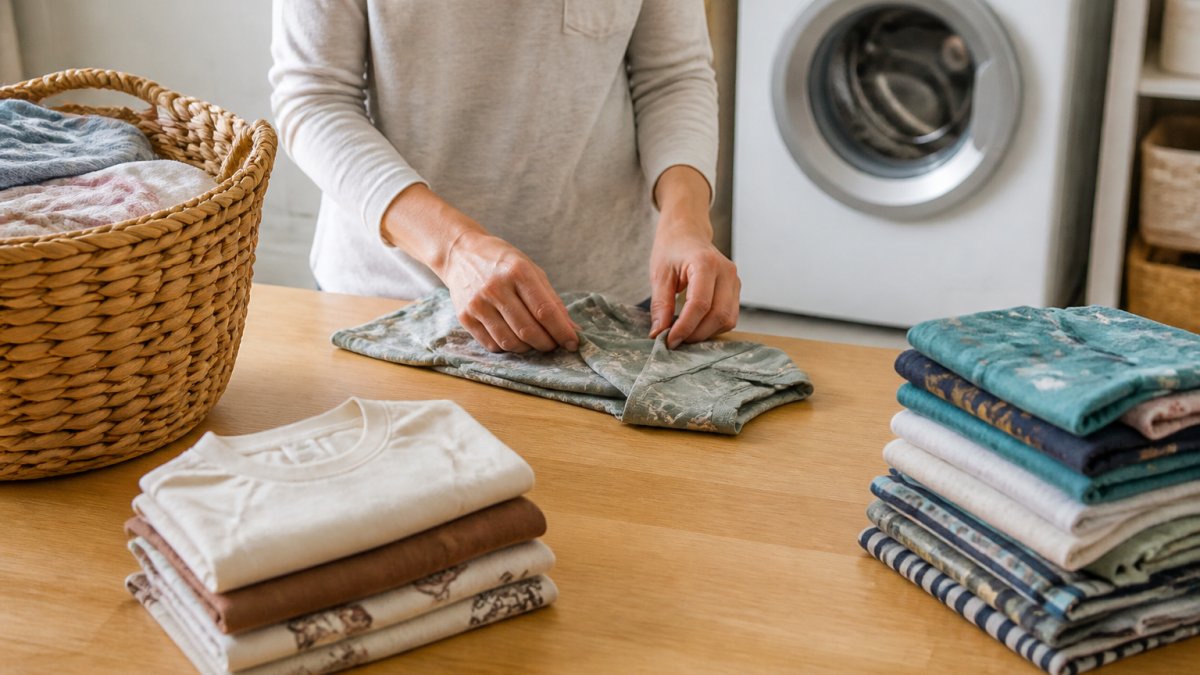
What construction details predict durability
Before the first wash, three construction choices tell you more about longevity than any product-page claim:
- Fabric weight (GSM): Heavier bamboo knits resist thinning at the knees and seat. If a listing doesn't state fabric weight, hold the piece to a window, if you can read text through it easily, expect visible wear within a season of frequent washing.
- Seam type: Flatlock or coverstitch seams distribute stress across the fabric; single-needle overlocked seams concentrate it at one line and are the first to pop at the crotch and underarm.
- Zipper and closure hardware: On footed pajamas, a stiff zipper or thin zipper tape fails before the fabric does. A two-way zipper with a fabric backing panel reduces pull stress on the knit.
- Binding and cuffs: Ribbed cuffs with spandex recover their shape; self-fabric cuffs stretch out and stay stretched.
A common pattern in bamboo sleepwear is that the fabric itself outlasts the trims. If the zipper, snaps, or binding look flimsy, the garment's useful life is set by those parts, not by the bamboo.
What customer reports actually say about each brand
Customer comments on any bamboo or terry sleepwear can describe initial softness followed by delicacy, such as pilling, thinning, and seam wear after repeated washing. These are individual reports, not a controlled study.
Shopper reviews for any brand should be read for the specific trade-offs they describe, such as fit, shipping, and durability, rather than treated as proof of quality.
The honest read: published evidence that settles durability is hard to find, and review sentiment is shaped by who chooses to write reviews. Weight it as sentiment, not proof.
A fair home test you can actually run
Buy one piece from each brand in the same size and comparable fiber content, then wash both together on the same cycle so the comparison is controlled. Check four things after every five washes:
- Shrinkage: measure the inseam and sleeve before the first wash and after the fifth
- Pilling: look at the underarm and between the legs
- Seam integrity: tug gently at the crotch seam and zipper tape
- Color fade: compare the washed piece to an unwashed one of the same colorway
Record the results in a note on your phone. After ten washes you will have better evidence than any review page.
Why bamboo behaves this way
Bamboo viscose is a semi-synthetic fiber: bamboo pulp is dissolved and regenerated into yarn. That process gives it drape and a cool hand, but the fiber is weaker when wet and more prone to stretching than cotton. In a knit, the fabric softens with each wash and gradually loses recovery, which is why a pajama that feels wonderful in month one can feel flimsy by month six. Heavier knits and tighter stitch densities slow that decline; lighter knits accelerate it.
Price, Cost Per Wear, and What Customer Reviews Really Say
Price is a major decision point, and pricing varies by brand, promotion, and product. Whether that premium is worth it depends on how many washes the garment survives, which is exactly what cost per wear measures.
What the price gap actually looks like
Exact prices move constantly with sales, bundles, and seasonal drops, so treat any single number as a snapshot. What holds steady is the structure of the gap:
Check the current listings for any brand before you buy, since prices and promotions change often.
How to calculate cost per wear
Cost per wear is the purchase price divided by the number of times a garment is actually worn. A cheaper pajama that pills after a month can cost more per wear than a pricier one that lasts a season.
Run the math with your own numbers rather than ours:
- Note the price you actually paid per piece (after discounts).
- Estimate wears per week, most children wear a favorite pajama two to three nights a week.
- Multiply by the months you expect the piece to fit and hold up.
- Divide price by total wears.
A pajama worn three nights a week for four months gives roughly 48 wears. A higher-priced piece needs to survive proportionally longer, or be handed down, to win on cost per wear.
What customer reviews really say
Review scores depend heavily on where you look and how many people bothered to post.
Reviews are not a controlled quality study, so weight them as sentiment, not proof. Read middle-rated reviews for any brand, since they often describe trade-offs more clearly than the extremes.
If you're weighing affordability across more retailers, our roundup of affordable boutique clothing online puts these price points in a wider context.
| Factor | PatPat | Posh Peanut |
|---|---|---|
| Fabric focus | Bamboo, cotton blends | Bamboo, terry |
| Reported fit | Tends to run large | Standard chart, varies by item |
| Price position | Lower per piece | Higher per piece |
| Cost-per-wear lever | Low upfront price, shorter lifespan | Higher upfront price, hand-down potential |
| Review sentiment | Value and prints praised | Softness praised, wear reported |
| Best for | Budget wardrobes, fast growth | Gift pieces, softness seekers |
Choosing the Right Brand for Your Family's Wardrobe
Choose the brand whose fabric, fit, and price best match your priorities, and be ready to follow careful wash instructions to protect delicate fabrics.
A third path works better for many families: buy fewer pieces, from whichever brand, and build around them. A small, well-chosen set of pajamas and daywear beats a full drawer of clothes that fit for six weeks.
If you're planning a cohesive wardrobe rather than one-off purchases, our guide on how to build a capsule wardrobe shows how to stretch a smaller number of pieces across a season.
At Peace Valley Boutique, we offer a curated selection of apparel and accessories for the whole family, including kids' clothing, so you can shop for everyone in one place.
The PatPat vs Posh Peanut quality comparison has no clean winner, because neither brand publishes the testing that would settle it. What you can control is how you buy: check construction, measure your child, and wash bamboo gently.
Frequently Asked Questions
Is Posh Peanut better quality than PatPat?
The evidence does not support a clean winner. Review ratings for these brands vary by platform and sample size, and some customer comments describe delicate fabric and seam problems after washing. Judge by fabric weight, seam construction, and return policy rather than brand reputation alone.
How does PatPat clothing hold up after washing?
Controlled wash-test data is not available from the sources reviewed here, so treat wash durability as something you verify yourself. Wash bamboo and terry pieces cold, inside out, and air dry where possible to limit shrinkage and pilling. Check seams at the crotch, underarms, and zipper tape after the first three washes, since those points fail first. If a garment pills or the seams pucker within a month, that tells you more than any product page.
Does Posh Peanut clothing run true to size?
Fit can vary by style. Measure your child's height and chest and compare against the size chart for the specific product rather than buying by age. For the PatPat vs Posh Peanut sizing question, order one piece first to confirm fit before committing to a matching family set.
What should you check when comparing bamboo pajamas?
Look at four things: fabric weight (thicker bamboo resists pilling), seam type and stitching density, whether the zipper has a fabric guard, and the care label. Bamboo pajamas durability depends heavily on how you wash them, so a brand that publishes clear care instructions is telling you something. Also confirm the return window before buying, since fit and feel are the two things you cannot judge from a photo.
